Dressing in Jewel Tones: The Rich Color Palette That Flatters Almost Everyone
Jewel tones — emerald, sapphire, ruby, amethyst, garnet — are the rare color story that reads rich, looks expensive and flatters almost everyone. The color-me-chic edit on dressing in them: the case, the palette-and-pairings decoder and how to wear them with confidence.
The Jewel-Tone Case
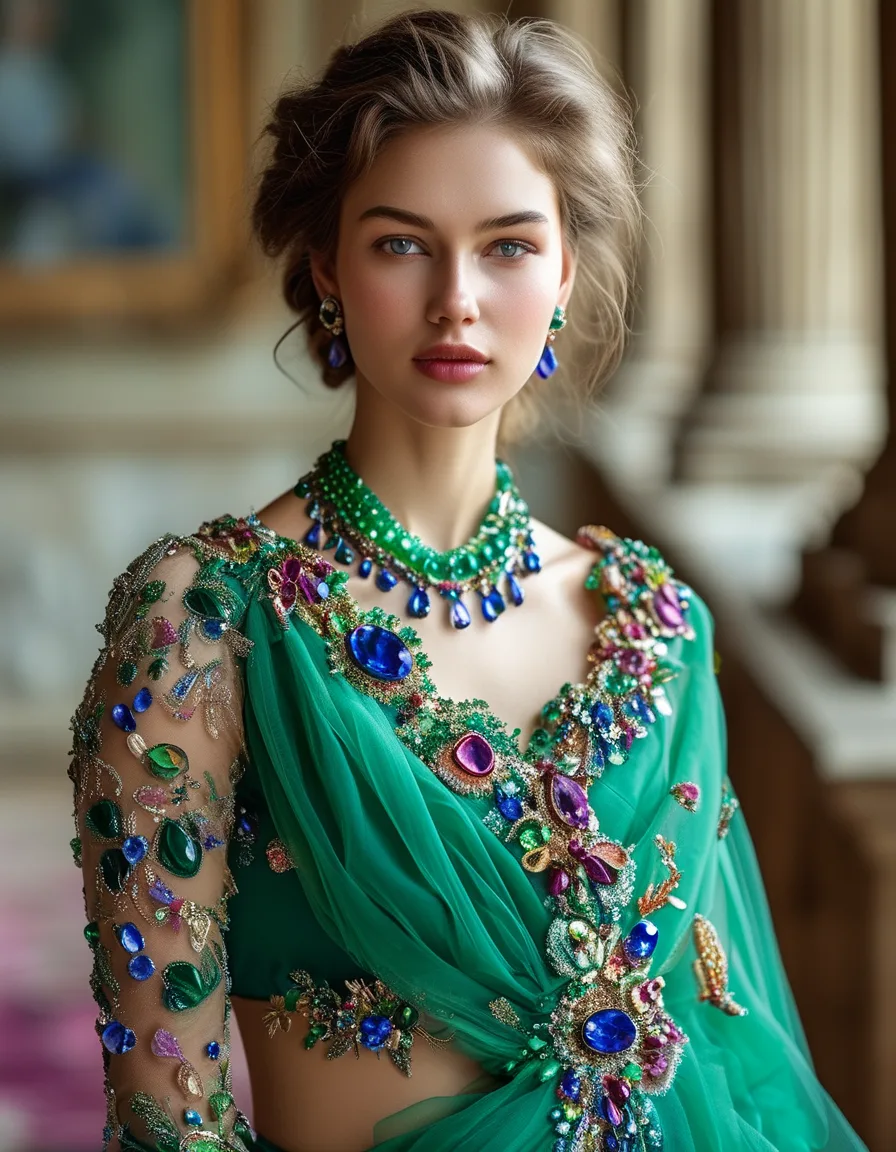
Why jewel tones flatter and elevate: the universally-flattering reality (the rich, saturated jewel tones suiting most complexions — the flatters-almost-everyone claim; the seasonal-color-analysis foundation), the reads-rich-and-expensive (the jewel tones’ inherent richness — the expensive-looking color; the depth over brightness), the color-with-sophistication (the jewel tones as bold-but-sophisticated — the statement-color that isn’t loud; the how-to-wear-color elevated), the versatility (the jewel tones across seasons and occasions — the day-to-evening range), and the reframe (the jewel tones as a rich, flattering, sophisticated color story worth owning).
The Palette-and-Pairings Decoder
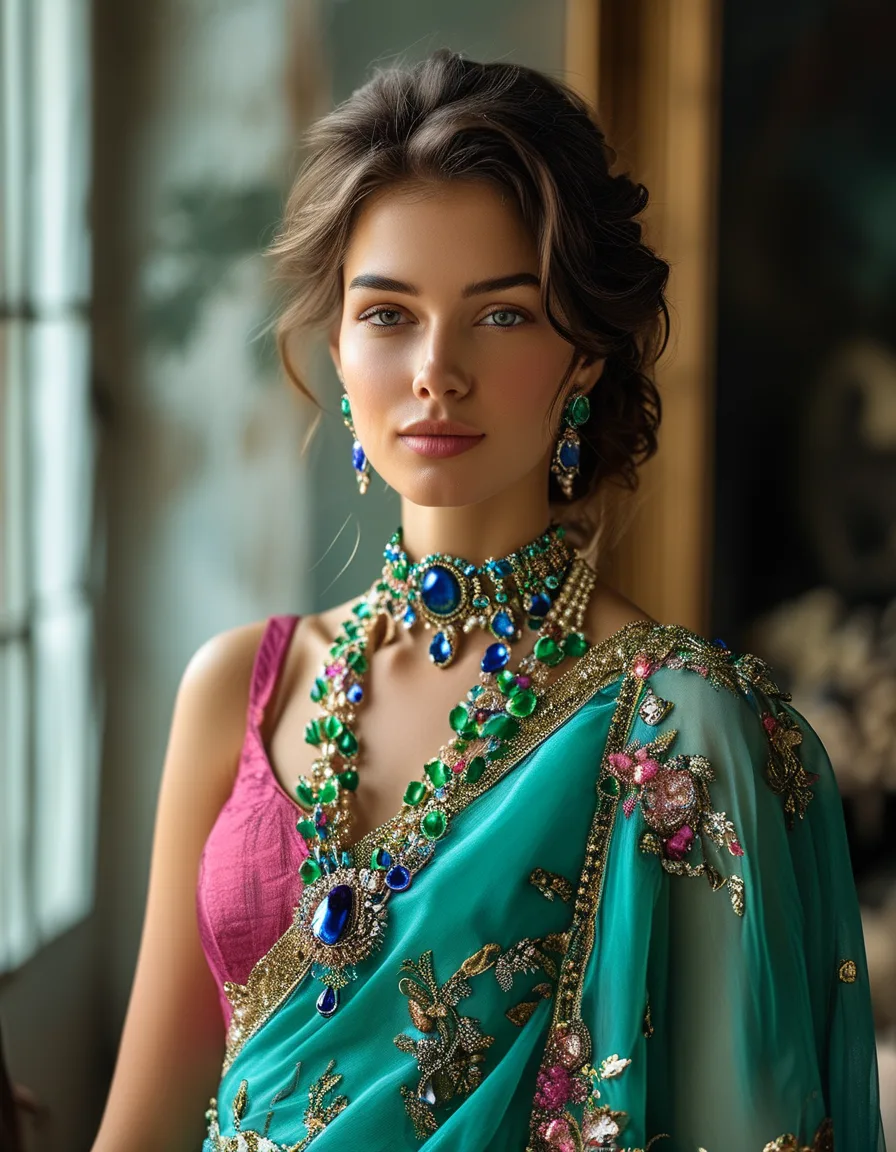
The jewel tones and how they combine: the the-core-jewels (the emerald, sapphire, ruby, amethyst, garnet, topaz — the rich palette), the jewel-with-neutral (the jewel tone anchored by black, camel, gray or white — the wearable elevation; the statement-color-dressing base), the jewel-monochrome (the head-to-toe single jewel tone — the tonal-dressing richness), the jewel-with-jewel (the emerald-and-sapphire, ruby-and-amethyst pairings — the bold-color-combination for the confident; the color-blocking-modern move), the jewel-with-gold (the jewel tones with gold jewelry — the rich-and-warm pairing), the by-your-coloring (the jewel tone matched to your complexion — the seasonal-color-analysis personalization), and the metallics-and-textures (the jewel tones in velvet, silk and satin — the material amplifying the richness).
The How-to-Wear-Them Notes
Wearing jewel tones with confidence: the start-with-one-piece (the single jewel-tone piece with neutrals — the ease-into-color; the how-to-wear-bold-color-confidently start), the the-jewel-dress (the emerald or sapphire dress — the one-and-done statement), the jewel-accessories (the jewel-tone bag, shoe or scarf — the accent for the color-cautious), the jewel-knitwear (the rich-toned sweater — the cozy elevation), the evening-jewel-tones (the jewel tones for occasion-dressing — the rich evening color; the statement-color for events), the confidence-carries-it (the wear-it-like-you-mean-it — the attitude that sells the color), and the frame (jewel tones as a rich, flattering palette worn with-neutrals, monochrome or paired, matched-to-your-coloring — the color that flatters almost everyone). Wear emerald, sapphire, ruby and amethyst anchored by neutrals, monochrome, or boldly paired — matched to your complexion, amplified by velvet and silk, and carried with confidence: the rich color that flatters almost everyone.
Jewel tones — emerald, sapphire, ruby, amethyst, garnet — are the rare color story that reads rich, looks expensive and flatters almost everyone. Combine them: a jewel tone anchored by a neutral (black, camel, gray, white) for wearable elevation, head-to-toe tonal for richness, or jewel-with-jewel (emerald-and-sapphire) for the confident, plus gold jewelry and velvet or silk to amplify the depth. Wear them by starting with one piece and neutrals, a jewel-tone dress, jewel accessories, or rich knitwear — matched to your complexion and carried with confidence. The rich color that flatters almost everyone.
Keep Reading
This article is for general styling and informational purposes only. Trends, sizing, availability and pricing may vary by brand and season.