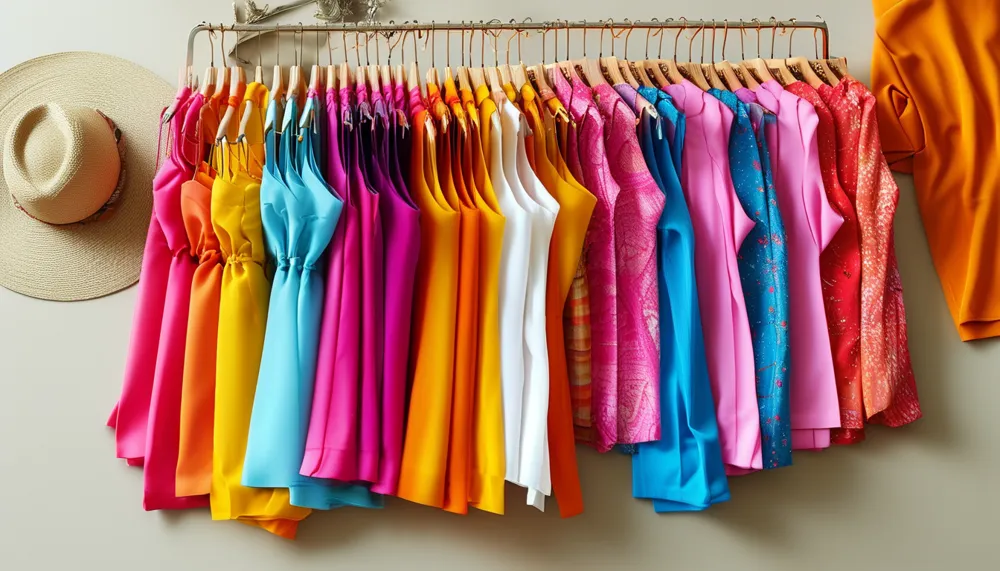
The Color Combinations That Always Look Chic
Quick Answer: Four combinations always look chic: neutrals-plus-one pop of color, tonal dressing in one color family, complementary color-wheel pairs with one dominant shade, and a handful of unexpected classics like navy-and-burgundy. Pick one formula and you can’t go wrong.
Color has the power to transform an outfit — but knowing which shades to put together can feel intimidating. The good news is that a handful of color combinations look reliably chic every single time. Master these and you’ll wear color with total confidence. Here’s your guide.

What’s the easiest, most foolproof color combination to start with?
Neutrals-plus-one. The easiest chic formula is a base of neutrals with one pop of color: camel and cobalt, grey and pink, black and red. The neutral grounds the look while the single color adds life. It’s foolproof, elegant, and works with almost any bold shade you love — start here if color intimidates you at all.

What is “tonal dressing” and why does it look so expensive?
Tonal dressing means wearing varying shades of a single color — different tones of blue, or a range of warm browns and camels — which creates a sophisticated, put-together look with built-in harmony. Because everything already coordinates by definition, tonal outfits feel considered and expensive with almost no styling effort. It’s surprisingly easy to assemble once you commit to one color family for the day.

How do you wear complementary colors without looking clashy?
Keep one dominant and one as an accent. Colors opposite each other on the color wheel — blue and orange, purple and yellow, green and pink — create vibrant, eye-catching combinations, but only when the ratio is uneven. A mostly-blue outfit with an orange accent reads bold and intentional; a 50/50 split reads like a mistake.
Which color pairings are considered “unexpected classics”?
A handful of combinations just work, reliably: navy and burgundy, pink and red, brown and black, olive and cream. These slightly unexpected pairings feel fresh and fashion-forward while remaining thoroughly wearable day to day. Keep a few of these in your back pocket for instant chic on days you don’t want to overthink an outfit.
Myth vs. Fact: Wearing Color
Myth: You need to be a “colorful person” to pull off bold color combinations. Fact: A neutral base with one pop of color works for anyone, regardless of how bold your usual style is.
Myth: Complementary colors always clash. Fact: They clash only in equal proportion — one dominant color with the other as an accent looks intentional, not chaotic.
Myth: Matching colors exactly is the safest bet. Fact: Tonal dressing (varying shades of one color) looks more expensive than exact matching, and it’s actually easier to pull off.
5 Mistakes Everyone Makes Wearing Color
- Wearing three or more bold colors at once. Even good combinations lose their impact past two dominant colors in one outfit.
- Matching accessories exactly to an outfit’s main color. A slightly different tone in the same family reads more intentional than an exact match.
- Avoiding color entirely out of uncertainty. Neutrals-plus-one is close to foolproof — there’s little reason to skip color altogether.
- Splitting complementary colors 50/50. An even split reads like a mistake; one dominant color with an accent reads deliberate.
- Ignoring undertones when building a tonal outfit. Mixing warm and cool versions of the same color can undercut the harmony tonal dressing is supposed to create.
FAQ
What’s the safest color combination for a first attempt at wearing bold color?
Neutrals-plus-one — a black or camel base with a single colorful piece is close to impossible to get wrong and works for almost any body of clothing you already own.
Is tonal dressing hard to shop for?
Not really — pick one color family (blues, browns, greens) and build the outfit from pieces already in your closet in different shades of that color before buying anything new.
How do you know which color should be “dominant” in a complementary pairing?
Whichever color makes up more of the outfit’s surface area — a blue dress with orange accessories, for example, reads intentional; an even 50/50 split of both colors usually doesn’t.
Can you wear more than one “unexpected classic” pairing at once?
Best kept to one — combining navy-burgundy with olive-cream in the same outfit, for instance, usually competes rather than compounds; pick a single pairing and build the whole look around it.
Do these color combinations work for accessories too, not just clothing?
Yes — the same principles (neutrals-plus-one, tonal ranges, one dominant complementary color) apply just as well to bags, shoes, and jewelry as they do to the clothing itself.
TL;DR:
- Neutrals-plus-one-pop is the easiest, most foolproof formula
- Tonal dressing (shades of one color) looks expensive with minimal effort
- Complementary pairs work only with one dominant color, one accent
- A few “unexpected classics” (navy/burgundy, olive/cream) are always safe bets
Wearing color chically is easier than it looks once you know the combinations. Lean on neutrals-plus-one, tonal dressing, complementary pairings, and a few unexpected classics — and you’ll add color to your wardrobe with total confidence, looking effortlessly chic every time.
Keep Reading
This article is for general styling and informational purposes only. Trends, sizing, availability and pricing may vary by brand and season.